

Many homeowners want to handle simple repairs and improvements without relying on professionals. Knowing which tools to have on hand can make these tasks more manageable and less intimidating.
The essential beginner-friendly DIY tools include a reliable tape measure, a basic set of screwdrivers, a hammer, a cordless drill, and a level. These tools cover the most common household projects from hanging pictures to assembling furniture.
With these items, homeowners gain the ability to tackle small jobs efficiently and save time and money. Understanding their uses also builds confidence for more complex projects in the future.
Essential Hand Tools for Homeowners
Basic hand tools provide the foundation for most household repairs and projects. Mastering these tools allows homeowners to complete tasks efficiently and with accuracy.
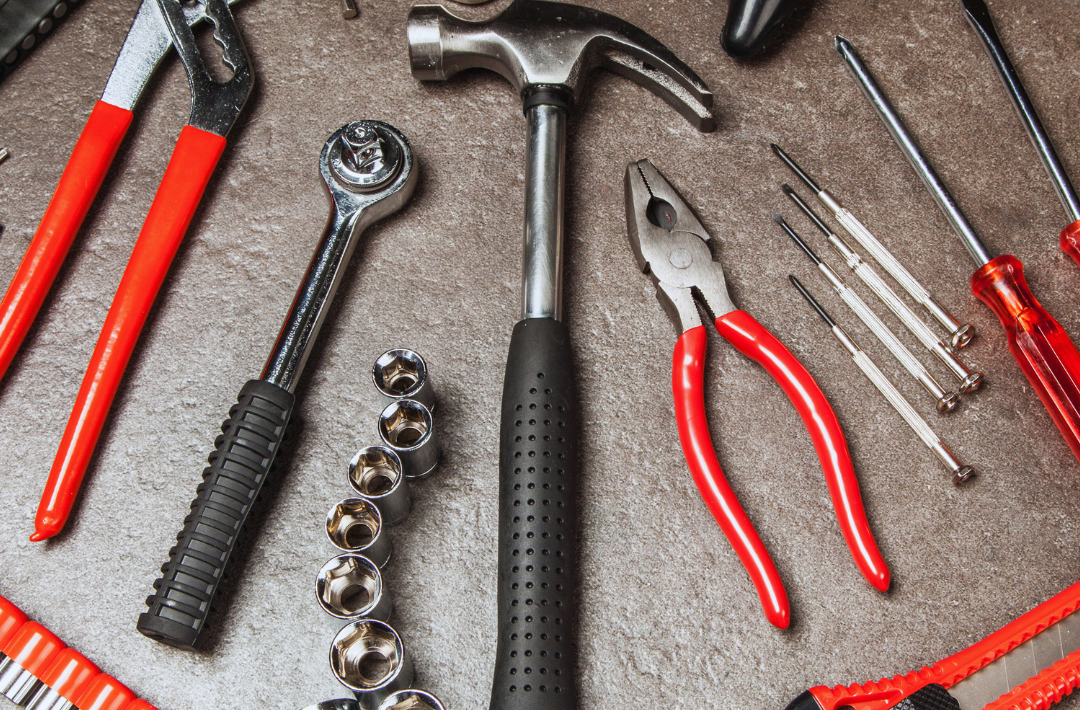
Claw Hammer
The claw hammer is designed primarily for driving and removing nails. A balanced weight, typically between 16 to 20 ounces, offers enough force for general use without causing fatigue.
Its curved claw end is effective for pulling nails out of wood or other materials cleanly. The handle material varies—wood, fiberglass, or steel—with fiberglass often preferred for shock absorption and durability.
A smooth face hammer is best for finish work, while a milled face provides better grip on nails, reducing slipping. For homeowners, choosing a hammer with a comfortable grip ensures better control and fewer hand injuries.
Tape Measure
A tape measure is crucial for precise measurements in every home project. A 25-foot tape with a sturdy blade and a locking mechanism suits most indoor and outdoor tasks.
Look for measurements marked in both imperial and metric units for versatility. The tape’s blade should be coated to resist wear and rust, extending its life.
Features like a magnetic hook can help stabilize measurements on metal objects. A compact, durable casing protects the blade and fits easily into a tool belt or pocket.
Screwdriver Set
A quality screwdriver set includes various sizes and types, such as Phillips, flathead, and sometimes Torx. These types cover the majority of screws encountered in home repairs.
Ergonomic handles provide a comfortable grip, allowing better torque and reducing hand strain. Magnetic tips help hold screws in place, making one-handed operation simpler.
Invest in a set with interchangeable bits for versatility and easier storage. Durable, heat-treated steel bits prevent stripping and maintain effectiveness.
Adjustable Wrench
An adjustable wrench replaces multiple fixed-size wrenches, making it a flexible choice for loosening or tightening nuts and bolts.
Look for a model with a smooth adjustment mechanism and a jaw opening of at least 1.5 inches. A wide, flat jaw surface prevents damage to fasteners and provides a strong grip.
A non-slip handle improves safety during use, while a chrome finish resists corrosion. This tool is essential for plumbing repairs as well as assembling furniture or appliances.
Beginner-Friendly Power Tools
Certain power tools offer a good balance of usability and effectiveness for new DIYers. They improve efficiency and expand the range of projects a homeowner can tackle safely.
Cordless Drill and Driver
A cordless drill and driver is essential for drilling holes and driving screws without needing a power outlet nearby. Battery-powered models provide freedom of movement, making them ideal for various home tasks.
Look for a drill with adjustable torque settings, usually between 10 and 20 levels, to avoid stripping screws or damaging materials. A compact, lightweight design helps reduce user fatigue during extended use.
Features like a keyless chuck allow fast bit changes, and an LED light improves visibility in dim workspaces. Lithium-ion batteries typically offer longer life and quicker charging times. This tool is versatile enough to handle furniture assembly, hanging shelves, or minor repairs.
Orbital Sander
An orbital sander smooths surfaces efficiently, preparing wood or painted items for finishing. Its circular motion and sanding pad reduce the chance of leaving swirl marks.
Buy a model with variable speed control to adjust sanding aggressiveness on delicate or tough materials. A dust collection system or port helps keep the workspace cleaner and minimizes airborne particles.
The compact size allows reaching confined areas, and ergonomic grips increase comfort. Beginners should select sandpaper grit according to the task, from coarse for stripping to fine for finishing. This tool is useful for furniture refinishing, drywall prep, and minor surface corrections.
Jigsaw
A jigsaw is used for making curved or irregular cuts in wood, metal, or plastic. It offers more control than circular saws and is suitable for detailed cutting tasks.
Opt for one with variable speed and orbital action settings, which aid in cutting different materials smoothly. Bevel capacity typically ranges from 0° to 45°, allowing angled cuts.
The blade type varies depending on the material, so interchangeable blades are important. Safety features like blade guards and easy-to-use locking mechanisms benefit beginners. It suits projects involving custom shapes, trimming doors, or creating decorative pieces.
Specialty Tools for Common DIY Tasks
Certain tools simplify specific home projects and improve accuracy and safety. These devices help locate hidden structures, make precise cuts, and ensure surfaces and installations are perfectly aligned.
Stud Finder
A stud finder detects wooden or metal framing behind walls. It is essential for safely hanging heavy items like shelves and TVs.
There are magnetic and electronic types. Magnetic models locate nails or screws in studs, while electronic ones detect changes in wall density. Electronic versions offer greater precision.
Users should move the tool slowly across the wall and mark detected studs clearly. Many models emit beeps or lights to signal stud presence. Knowing stud locations prevents damage and ensures secure mounting.
Utility Knife
A utility knife is a versatile cutting tool with replaceable blades. It excels at trimming materials like drywall, carpet, plastic, and packaging.
Look for features like a comfortable handle, easy blade replacement, and a locking mechanism to enhance safety. Retractable blades prevent accidents when not in use.
Cutting straight lines is easier with a sharp blade. Users should always cut away from their bodies and use a stable surface. Regular blade replacement keeps cuts clean and reduces effort.
Level
A level ensures surfaces and installations are perfectly horizontal or vertical. It is crucial for tasks like hanging pictures, installing shelves, and framing.
Levels come in different lengths and formats, including bubble levels and digital models. The bubble level contains a liquid tube with an air bubble that centers when the surface is level.
Placing the level against the workpiece and adjusting until the bubble is centered guarantees accurate alignment. Accurate leveling prevents uneven installations and structural problems.
Safety Gear and Storage Solutions
Proper protection and organized storage improve efficiency and reduce injury risk. Using reliable safety gear and an effective toolbox setup keeps tools accessible and work areas safe.
Safety Glasses
Safety glasses protect the eyes from dust, debris, and chemical splashes that can occur during common DIY tasks. They should meet ANSI Z87.1 standards to ensure impact resistance and clear vision.
Look for features like anti-fog coatings and UV protection for outdoor projects. Comfortable, adjustable frames help maintain a secure fit without discomfort during extended use.
Disposable glasses can be an option for occasional tasks, but investing in reusable models offers better durability and long-term eye protection.
Work Gloves
Work gloves shield hands from cuts, splinters, and vibrations while providing grip during the handling of tools and materials. Select gloves made from durable materials like leather or synthetic blends, depending on the project type.
For precision tasks like painting or light assembly, thinner gloves with flexible fingers are preferable. For heavy-duty work, reinforced palms and fingertips enhance protection.
Keep multiple pairs for different jobs to maintain hygiene and prolong tool life by avoiding oil or dirt transfer.
Toolbox
A well-designed toolbox keeps essential tools organized and easy to find. Choose one with customizable compartments and sturdy construction for carrying screwdrivers, wrenches, pliers, and measuring tools.
Portable boxes with removable trays allow quick access on the job. Magnetic inserts or foam padding help secure small parts and prevent damage during transport.
Label compartments or use clear containers to reduce time spent searching for items, improving productivity and reducing frustration.
