

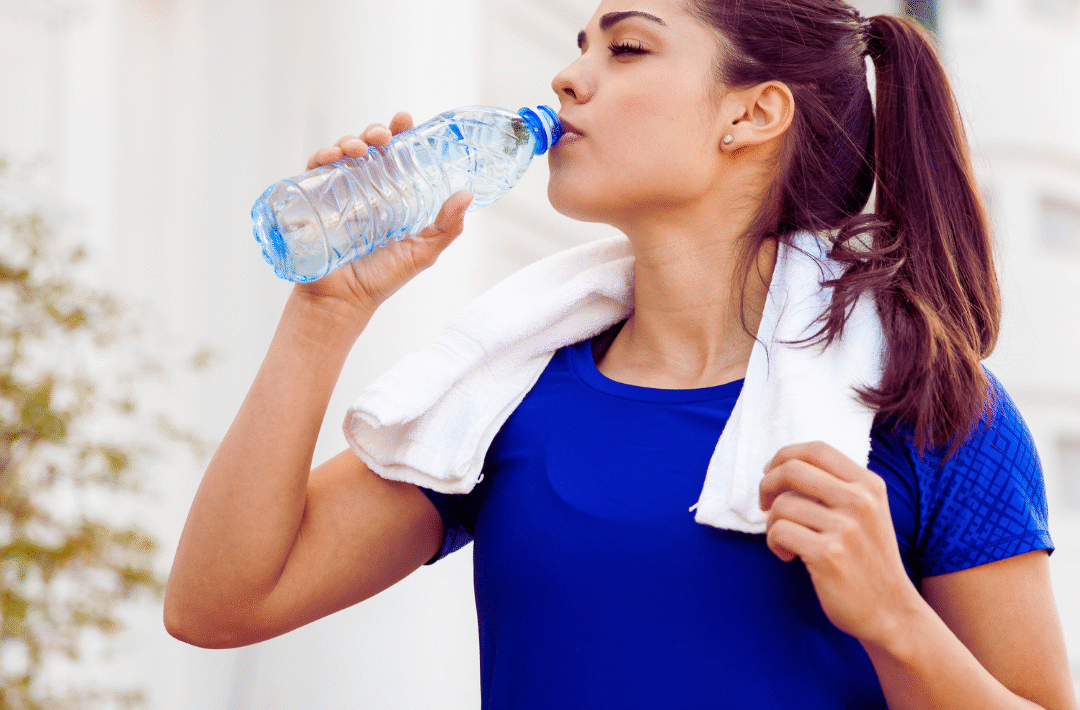
Staying hydrated is essential for maintaining overall health and well-being. Many people overlook the importance of drinking enough water throughout the day. Drinking more water can enhance physical performance, improve mood, and support cognitive function.
Water plays a vital role in the body’s systems, affecting everything from digestion to temperature regulation. Insufficient hydration can lead to fatigue, headaches, and decreased concentration. Understanding the benefits of proper hydration can motivate individuals to make positive changes in their daily routines.
Incorporating more water into one’s diet can be simple and effective. By recognizing the signs of dehydration and setting daily goals for water intake, anyone can improve their health and energy levels. Engaging in this practice can have lasting effects on both physical and mental wellness.
The Essential Role of Water in Your Body
Water is vital for numerous physiological functions. It supports hydration, regulates body temperature, and aids in nutrient absorption, all of which contribute significantly to overall health.
Water’s Contribution to Hydration and Health
Water serves as the primary means of hydration for the body. Staying hydrated is essential for maintaining optimal bodily functions.
- Cell Function: Water is crucial for cellular activity. Cells require water to perform metabolic processes efficiently.
- Fluid Balance: It helps maintain fluid balance, which is necessary for the transport of nutrients and oxygen to cells.
- Physical Performance: Proper hydration can enhance physical performance. Dehydration can lead to fatigue, decreased coordination, and muscle cramping.
How Water Regulates Body Temperature
Water plays a crucial role in thermoregulation, helping to maintain a stable body temperature. This function is particularly important during physical activity or exposure to heat.
- Sweat Production: When the body heats up, it produces sweat. As sweat evaporates from the skin, it dissipates heat, cooling the body.
- Heat Capacity: Water has a high heat capacity, allowing it to absorb and retain heat, helping to buffer temperature changes.
- Electrolyte Balance: Adequate hydration supports electrolyte balance, which is necessary for muscle and nerve function during temperature regulation.
Water’s Impact on Nutrient Absorption
Water is integral to the digestion and absorption of nutrients. It facilitates various processes necessary for deriving energy from food.
- Digestive Processes: Water aids in breaking down food, making nutrients more accessible during digestion.
- Nutrient Transport: It helps transport essential nutrients, vitamins, and minerals through the bloodstream to cells throughout the body.
- Waste Removal: Adequate hydration ensures effective waste removal from the body, preventing nutrient reabsorption from waste products in the kidneys.
Key Benefits of Increasing Water Intake
Adequate water intake plays a critical role in various body functions. Increasing water consumption can significantly enhance health by preventing dehydration, supporting digestion, promoting skin health, and boosting performance both physically and mentally.
Preventing Dehydration and Related Health Issues
Dehydration occurs when the body loses more fluids than it takes in. Symptoms can range from mild, such as thirst and fatigue, to severe, including confusion and dizziness. Staying well-hydrated helps maintain blood volume and circulatory function.
Insufficient water can lead to kidney stones and urinary tract infections, both of which can result in significant discomfort. By drinking enough water, individuals can dilute the substances in urine that lead to these issues, minimizing risks and promoting urinary health.
Supporting Healthy Digestion and Kidney Function
Water aids digestion by breaking down food, allowing nutrients to be absorbed effectively. When hydration is adequate, the digestive system operates efficiently, reducing the likelihood of constipation.
Moreover, kidneys filter waste from the blood, utilizing water for expelling toxins and regulating fluid balance. Insufficient water intake can hinder this process, leading to various issues like kidney stones and impaired function, further emphasizing the importance of proper hydration.
Promoting Skin Health and Joint Mobility
Hydration is essential for maintaining skin elasticity and overall appearance. Drinking sufficient water helps to combat dryness and can contribute to a clearer complexion. Proper hydration can minimize the appearance of fine lines and wrinkles, promoting a healthier look.
Joint lubrication is another crucial benefit of proper water intake. Joints rely on synovial fluid, which is primarily composed of water, to reduce friction during movement. Adequate hydration supports joint health, reducing the risk of discomfort and improving mobility, especially in physically active individuals.
Boosting Physical Performance and Brain Function
Adequate hydration significantly affects physical performance. During intense exercise, dehydration can lead to decreased endurance and increased fatigue. Maintaining optimal hydration improves stamina and reduces the likelihood of cramps.
Water also plays a vital role in cognitive function. Dehydration can result in difficulties concentrating, poor memory, and headaches. By keeping the brain well-hydrated, individuals can maintain improved focus and mental clarity, enhancing productivity and overall cognitive performance.
How Much Water Should You Drink Each Day?
Daily water intake varies based on several factors, including age, weight, and activity level. Understanding these aspects helps in determining the right amount of water to maintain optimal hydration.
Factors Affecting Individual Water Needs
Several factors influence how much water a person should drink. Body weight plays a crucial role; individuals weighing more generally need more water.
Activity level is another significant consideration. Athletes or those engaging in regular exercise require a higher fluid intake to compensate for water lost through sweat.
Environmental factors, such as climate and altitude, should also be taken into account. Hot, humid weather increases perspiration, necessitating additional hydration.
Lastly, certain health conditions can affect hydration needs, making it important to consult with a healthcare provider for personalized recommendations.
Recommended Intake for Children and Adults
The general recommendation for adults is to consume about 3.7 liters (about 13 cups) for men and 2.7 liters (about 9 cups) for women each day. This includes all fluids consumed, not just water.
For children, the intake varies by age:
- 1-3 years: about 4 cups
- 4-8 years: about 5 cups
- 9-13 years: girls should aim for 7 cups and boys for 8 cups
Tailoring fluid intake to these guidelines can significantly enhance hydration and overall health.
Water Consumption During Exercise and Sports
When exercising, replenishing lost fluids is essential. For moderate-intensity activities lasting 30 minutes or less, sipping water can be sufficient.
For prolonged exercise, especially in heat, it is recommended to drink 500-700 mL of water per hour. Athletes might consider electrolyte-rich drinks to maintain balance in fluids and electrolytes.
Post-exercise hydration is crucial, too. Consuming 1.5 liters of water for every kilogram of body weight lost during exercise is advisable. Monitoring hydration through urine color can also be a practical method to assess fluid levels and maintain optimal performance.
Practical Tips and Alternatives for Staying Hydrated
Staying hydrated can be achieved through a variety of methods beyond just drinking plain water. By incorporating certain foods and smart beverage choices, individuals can ensure that they are meeting their hydration needs effectively.
Incorporating Fruits and Vegetables for Added Fluids
Fruits and vegetables are excellent sources of hydration in addition to providing essential nutrients.
- Cucumbers, watermelons, and strawberries have high water content, making them effective at boosting hydration levels.
- Leafy greens like lettuce and spinach can also contribute significantly to fluid intake.
Eating these foods not only increases water consumption but also adds vitamins and minerals that support overall health. For instance, watermelon’s high content of lycopene offers antioxidant benefits.
Incorporating a variety of these hydrating foods into meals and snacks can facilitate better hydration throughout the day.
Choosing Between Plain Water and Flavored Options
Plain water is a classic choice for staying hydrated, but flavored water can make hydration more enjoyable.
For those who find plain water unappealing, flavored options can be a suitable alternative. Options include:
- Infused water with slices of lemon, lime, or berries, which adds a hint of flavor without excessive calories.
- Herbal teas served cold can also serve as refreshing alternatives.
It is important to be cautious with flavored waters containing added sugars or artificial ingredients, as these can counteract hydration efforts. Opting for naturally flavored alternatives ensures that hydration remains the focus.
Avoiding Sugary Drinks and Caffeine
Sugary drinks and caffeinated beverages can lead to dehydration rather than providing hydration.
- Sodas often contain high sugar levels, which can contribute to feelings of thirst rather than quenching it.
- Caffeine found in coffee and energy drinks can have diuretic effects, increasing urine output and potentially leading to dehydration.
It’s advisable to limit the intake of these beverages and prioritize water or natural alternatives. Understanding the hydration effects of different drinks can help individuals make more informed choices.
Using Refillable Water Bottles to Track Intake
Using refillable water bottles can be an effective way to monitor daily water intake.
- Bottles with clear markings indicate how much water has been consumed throughout the day.
- Choosing a bottle that fits personal preferences, whether for size or style, can encourage consistent use.
Setting reminders or goals using these bottles, such as “finish this bottle by noon,” can further motivate individuals to stay hydrated. Keeping water easily accessible throughout the day makes a significant difference in overall fluid consumption.
