

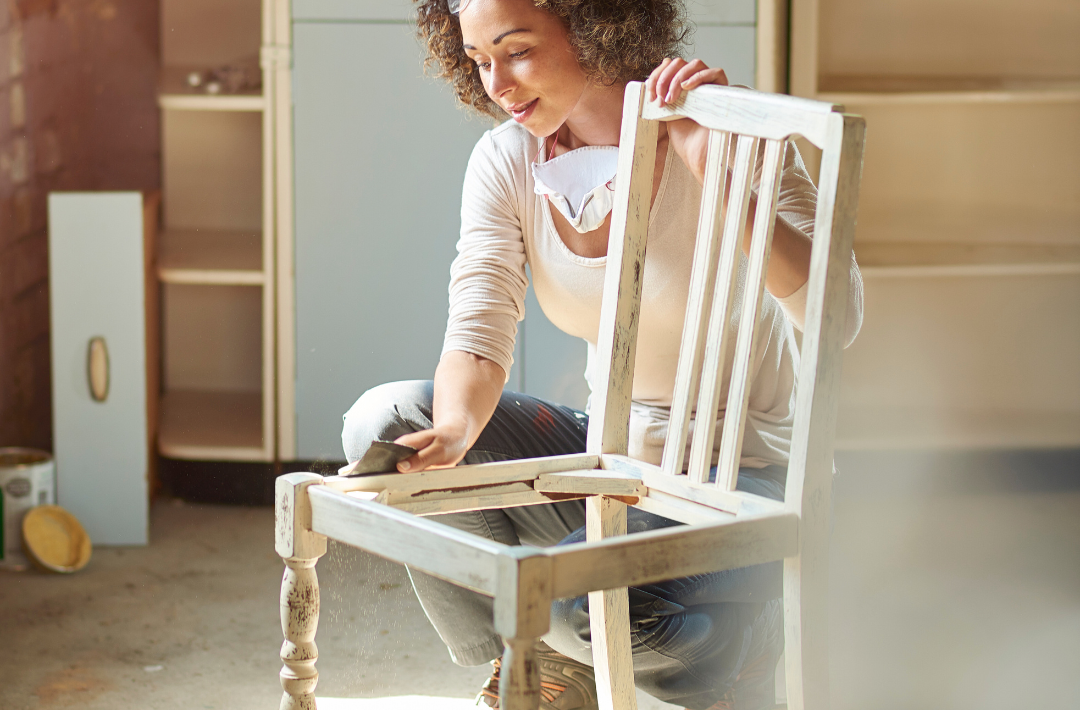
Upcycling old furniture is a practical way to refresh living spaces without buying new items. It involves creatively transforming worn or outdated pieces into functional and stylish items, extending their lifespan and reducing waste. This approach not only saves money but also allows for unique, personalized home decor.
Many simple techniques can revitalize furniture, such as sanding, painting, or reupholstering. Even small changes like replacing hardware or adding decorative elements can make a significant difference. The variety of ideas available makes upcycling accessible for anyone interested in smart, sustainable home improvement.
Why Upcycling Furniture Matters
Upcycling furniture reduces waste, saves money, and allows for unique style choices. It addresses environmental impact directly while supporting sustainable living and personalized home decor.
Environmental Benefits of Upcycling
Upcycling furniture prevents usable items from ending up in landfills, reducing overall waste. By reusing materials, it lowers demand for new raw resources like wood and metals, which often involve energy-intensive extraction and manufacturing processes.
This process also decreases carbon emissions linked to production and transportation. Choosing upcycled furniture fits within sustainable living goals by minimizing environmental impact. It helps conserve natural resources and reduces the need for new furniture manufacturing, which frequently involves harmful chemicals and plastics.
Upcycled furniture often retains original craftsmanship, promoting durability over disposable, fast-produced items. This makes it a practical choice for an eco-conscious lifestyle.
Cost Savings and Value
Upcycling furniture can be significantly cheaper than buying new items. People save money by refurbishing or repurposing what they already own or find cheaply at thrift stores.
Sometimes, small investments in paint, varnish, or hardware upgrades can dramatically increase a piece’s lifespan and utility. This approach avoids the full cost of replacement while providing a high return on effort.
Additionally, upcycled pieces may gain unique value due to restored quality or design, especially when customized. The process supports budget-conscious consumers seeking both affordability and quality in home decor.
Personalization and Style
Upcycling allows individuals to tailor furniture to their specific tastes and needs. Rather than settling for mass-produced items, they can alter colors, textures, or functions to reflect personal style accurately.
This customization adds character and uniqueness to home decor, making spaces feel distinct and intentional. It often highlights craftsmanship and details lost in factory-produced furniture.
Through upcycling, people can blend vintage or classic pieces with modern aesthetics, creating a diverse and meaningful environment that supports sustainable living choices.
Fundamental Upcycling Techniques and Materials
Transforming old furniture often begins with basic methods that improve appearance and function. Key steps include cleaning, repairing damage, applying finishes, and updating fabric or hardware.
Cleaning and Repair Strategies
Proper cleaning prepares furniture for any restoration or decoration. It is important to remove dirt, grease, and old polish with mild soap and water or a wood cleaner suited to the material. For stubborn grime, a mixture of vinegar and water can be effective without damaging surfaces.
Repairs start with assessing damages such as cracks, chips, or loose joints. Wood filler is applied to small holes or gouges and sanded smooth once dry. Tightening or replacing screws and nails ensures structural stability. Strong adhesives and clamps may fix broken pieces, especially in delicate joints.
Painting and Refinishing Basics
Choosing the right paint depends on the furniture type and desired finish. Chalk paint and milk paint are popular for their matte, vintage look and require minimal surface prep. Acrylic and craft paints offer vibrant colors but usually need priming and sealing.
Preparation involves light sanding to create a smooth surface free of gloss and dust. Wood stain can enhance natural grain before applying paint or a protective topcoat. Multiple thin layers of paint with quality paint brushes yield better results than one thick coat.
Upholstering and Fabric Updates
Updating worn or outdated fabrics can dramatically change furniture style. Vinyl and durable upholstery fabrics resist stains and wear, making them practical choices for frequently used pieces.
Basic tools include staple guns, fabric scissors, and upholstery foam. Removing old fabric carefully prevents damaging the frame. New fabric is cut with attention to grain and pattern alignment. Adding fresh padding improves comfort and restores shape.
Tools and Essential Materials
Successful upcycling requires specific tools and supplies. Common essentials include:
- Sandpaper or sanding blocks with varying grits
- Paint brushes sized for detailed and broad coverage
- Wood filler and adhesives for repairs
- Chalk paint, milk paint, and acrylic paint options
- Cleaning agents suited to wood or fabric materials
- Staple guns and upholstery needles for fabric work
Selecting quality, purpose-made materials enhances the final outcome and durability of upcycled furniture.
Creative Projects to Give Old Furniture New Life
Upcycling old furniture can involve rethinking function, updating finishes, and adding decorative details. Effective projects focus on mixing vintage elements with practical adaptations. They often use materials like baskets, ribbon, and lighting to enhance both form and purpose.
Living Room Furniture Transformations
Repurposing living room furniture often centers around sofas, coffee tables, and shelving units. For example, an aged coffee table can become a storage ottoman by adding a hinged top and padding. This adds hidden space for blankets or magazines.
Vintage furniture frames can be refurbished with fresh paint and decorative elements like stenciled patterns or decoupage. Adding baskets underneath open shelves improves organization while keeping a rustic aesthetic. Incorporating lighting under or around pieces highlights their new charm and usability.
Bedroom and Storage Refresh Ideas
Old dressers or wardrobes transform well with creative drawer inserts or repainted fronts using contrasting colors. Turning a vintage furniture piece into a functional jewelry organizer by adding hooks or a framed canvas for earrings personalizes storage.
Storage ottomans are popular for bedrooms and can be enhanced with fabric and ribbon accents. Adding custom handles or decorative knobs breathes new life into worn drawers. Baskets inside unutilized shelves create space-efficient storage, making the furniture more practical.
Lighting and Decorative Makeovers
Furniture upcycling also includes turning parts into unique light fixtures and art objects. For instance, old wooden frames can be refashioned into decorative lampshades or wall sconces by mounting LED lighting.
Repurposed furniture tops serve as bases for sculptures or canvas artwork, combining decor with function. Smaller pieces like side tables benefit from added decorative elements such as ribbon trim or incorporated baskets, bridging utility and style.
Tips for Successful and Lasting Upcycling Results
Selecting the right furniture, preparing it properly, and applying thoughtful finishing touches are essential for durable and attractive upcycled pieces. Attention to detail in these areas improves both appearance and longevity.
Choosing the Right Pieces to Upcycle
The best candidates for upcycling are solid wood furniture with minimal structural damage. Pieces with sturdy frames but worn surfaces respond well to sanding, painting, or staining.
Avoid items with severe water damage, excessive rot, or broken joints unless the goal includes replacement parts or advanced repairs. Lightweight or particle board furniture can be harder to improve and less durable after modifications.
Consider the size and style’s compatibility with the intended space. Vintage chairs or tables with interesting shapes can become statement pieces when updated properly.
Look for furniture with removable components, like upholstery that might benefit from sewing new covers or cushions. Ink-stamped markings inside drawers may help identify wood type or maker, guiding restoration choices.
Safety and Preparation Best Practices
Cleaning surfaces thoroughly before work removes dirt, oils, and sticky residues that can affect paint or finish adhesion. Use mild detergent and water, allowing full drying before proceeding.
Sanding is vital to remove old finishes and smooth rough spots. Use progressively finer grit sandpaper to avoid scratch marks. Wear a mask to avoid inhaling dust.
If using chemical strippers or solvents, work in a well-ventilated area and wear gloves to protect skin. Keep away from open flames or sparks.
For furniture with old upholstery, carefully remove nails or staples using pliers. Inspect the frame for stability; reinforce joints with wood glue and clamps as needed.
Finishing Touches for Professional Results
After staining or painting, apply a protective topcoat such as polyurethane or wax to enhance durability. Multiple thin layers yield smoother finishes.
When sewing new fabric for cushions or covers, accurate measurements and quality thread help maintain form and function. Choose fabrics that resist wear and stains.
Using painter’s tape to mask areas creates clean lines between different colors or finishes. Let products dry fully between coats to avoid tackiness or peeling.
Small details like replacing hardware or adding felt pads under legs improve usability and prevent floor damage. Touching up with ink markers can hide minor scratches on wooden surfaces.
