

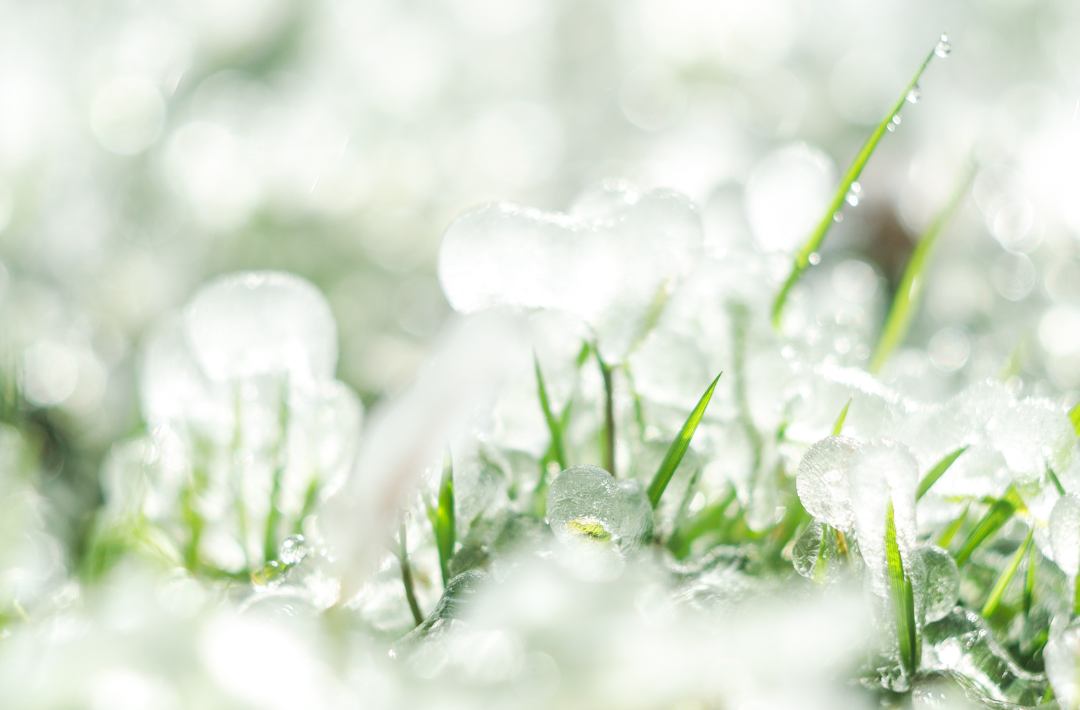
Have you ever looked out at your lawn in winter and felt it lacked a bit of life? You’re not alone. As the colder months set in, many lawns turn brown and patchy, making outdoor spaces feel less inviting. But here’s the good news: your lawn doesn’t have to look lifeless during winter.
One way to maintain visual appeal is by choosing landscaping elements that stay green and structured all year. Evergreen shrubs, ornamental grasses, or seasonal planters can instantly add color and texture.
Artificial Turf Installation or other such alternatives can also be a consideration if you tend to prefer a low-maintenance, consistently green look regardless of weather conditions. It can be a practical choice for homeowners who want beauty without the hassle of seasonal upkeep.
With the right approach, you can enjoy vibrant greenery all season long. Sound appealing? Let’s explore how you can transform your lawn into a lush winter haven.
Why Choose Winter Green Grass?
Winter green grass Perth is about enjoying a functional, healthy lawn that stands out year-round. Whether you’re using your lawn for entertaining or simply want a garden that feels alive during colder months, a green lawn adds value to your home and enjoyment to your daily life. Imagine stepping outside on a chilly morning and seeing fresh greenery instead of dull, withered turf. It makes a difference, doesn’t it? Beyond appearance, winter grasses can also improve soil quality and prevent erosion, making them a practical choice too.
Understanding Cool-Season Grasses
The secret to a lush winter lawn lies in choosing the right grass varieties. Cool-season grasses thrive in lower temperatures, making them perfect for winter growth. Some popular options include ryegrass, fescue, and bluegrass. Each has unique characteristics that suit different conditions, so it’s worth considering which one works best for your climate and soil. Ryegrass, for instance, germinates quickly and gives an instant green boost, while fescue is highly durable and low-maintenance. Bluegrass, on the other hand, offers a fine texture and dense coverage. Are you starting to see how picking the right grass can make all the difference?
Planting the Right Way
Planting winter green grass isn’t difficult, but it does require some planning. Timing is everything. You’ll want to seed your lawn in late autumn, before the first frost, to give the grass time to establish roots. Start by preparing the soil—remove any weeds, debris, or old grass that could compete with the new seeds. Next, aerate the soil to improve drainage and allow roots to penetrate more easily. Once that’s done, spread the seeds evenly across the lawn, ensuring full coverage for consistent growth. Don’t forget to water lightly but regularly to keep the soil moist during germination. Overwhelmed? Don’t worry—once you see the results, it’s all worth it.
Maintenance Tips for a Winter Lawn
If you want to keep your grass green and healthy, it doesn’t have to be complicated. With a few simple steps, you can maintain its vibrant appearance throughout the colder months:
- Mow sparingly – Cool-season grass doesn’t grow as quickly, so you won’t need to mow as often. When you do, set your mower to a higher setting to avoid stressing the grass.
- Water wisely – While winter grass needs less water than in summer, don’t let it dry out completely. Aim to water early in the day to avoid freezing overnight.
- Fertilise appropriately – Use a slow-release fertiliser designed for cool-season grasses to provide nutrients without overloading the plants.
- Remove debris – Keep leaves, branches, and other debris off the lawn to prevent mould and disease from developing.
- Watch for pests – Some insects remain active during winter and can damage your lawn. Regularly inspect the grass for signs of trouble.
By staying consistent with these practices, your lawn will stay green and healthy all winter.
Common Challenges and How to Solve Them
Even with the best intentions, challenges can arise. One common issue is patchy growth, which often happens when seeds are spread unevenly. If you notice bare spots, reseed those areas promptly and follow up with watering to encourage germination. Another concern might be fungal diseases, which can appear in damp conditions. To prevent this, work with a reputable lawn drainage company to reduce any flooding caused by heavy rainfall during the cold, wet season. Noticed weeds sneaking in? Remove them by hand or use a selective herbicide that won’t harm your grass. With a bit of attention, you can tackle these problems and keep your lawn looking its best.
Clearing Obstacles for a Healthier Lawn
A thriving winter lawn isn’t just about what you add—it’s also about what you remove. Leftover debris, old tree roots, or lingering stumps can all impact the look and health of your grass, especially when you’re trying to achieve full, even coverage. These obstacles can interfere with mowing, reduce nutrient availability, and even harbour pests or fungi. Clearing them not only improves the appearance of your garden but also creates the right conditions for strong root development and consistent growth. If tree stumps are part of the problem in your garden, consider learning more about the benefits of stump grinding to safely and effectively clear the space. It’s a practical step that can make ongoing maintenance easier while helping your lawn flourish throughout the colder months and beyond.
The Benefits of Overseeding
Have you heard of overseeding? This technique involves spreading grass seeds over an existing lawn to improve its density and fill in thin areas. It’s especially useful for winter lawns, as it ensures consistent coverage and a healthier appearance. Overseeding can also introduce a mix of grass varieties, giving your lawn added resilience against changing weather conditions. Whether you’re starting from scratch or enhancing an existing lawn, overseeding is a powerful tool in your winter lawn care routine.
A Note on Soil Health
Your grass is only as good as the soil it grows in, so don’t overlook this essential factor. Healthy soil provides the nutrients and structure grass needs to thrive, even in challenging winter conditions. Test your soil to identify any deficiencies and adjust as needed. Adding organic matter, such as compost or mulch, can improve fertility and help retain moisture. Aeration is another effective way to enhance soil health, as it reduces compaction and allows roots to access oxygen more easily. Think of it this way: by investing in your soil, you’re laying the foundation for a beautiful lawn year-round.
Embracing the Green Difference
Transforming your lawn for winter doesn’t just improve your outdoor space—it enhances your entire home environment. A vibrant, green lawn can lift your spirits, encourage outdoor activities, and create a welcoming atmosphere for family and friends. Plus, the sense of pride that comes from maintaining a healthy lawn is unmatched. If you’ve been considering a winter lawn upgrade, now’s the perfect time to get started. With the right grass, proper care, and a little effort, your garden can be a green oasis even in the chilliest months.
