

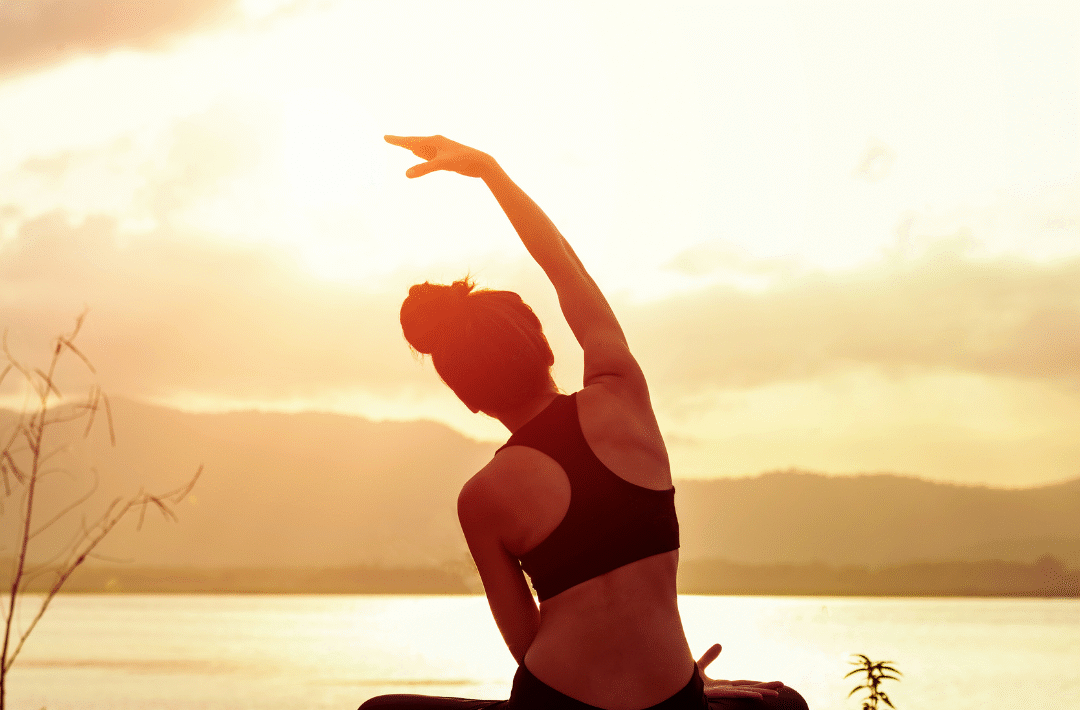
Stress has become a common challenge in today’s fast-paced world, impacting the well-being of many. Incorporating simple wellness habits into daily routines can significantly reduce stress and improve overall quality of life. These practices are not only easy to implement but also serve as effective tools for managing everyday pressures.
Many individuals overlook the power of small changes. Techniques like mindful breathing, regular physical activity, and maintaining a balanced diet can create a substantial difference in how one copes with stress. By focusing on these manageable habits, anyone can take proactive steps toward a calmer state of mind.
With the right strategies, it is possible to transform stress into a more manageable part of life. Exploring these habits can empower individuals to enhance their well-being and foster resilience in the face of daily challenges.
Understanding Stress and Its Impact
Stress is a natural response to challenges and demands. However, prolonged exposure can lead to serious physical and mental health issues. Recognizing how stress operates in the body and mind is crucial for managing its effects effectively.
How Stress Affects the Body and Mind
Stress triggers a variety of physical and psychological responses. In the body, it can lead to tension headaches, gastrointestinal issues, and heart problems. Common symptoms may include fatigue, muscle tightness, and sleep disturbances.
Mentally, stress often manifests as anxiety and increased irritability. Chronic stress can contribute to conditions such as depression and affect cognitive functions like memory and focus. Individuals may feel overwhelmed, leading to decreased productivity and strained relationships.
The Role of Stress Hormones and Cortisol
Cortisol is known as the primary stress hormone. When stress occurs, the body releases cortisol and other hormones to prepare for a “fight-or-flight” response. This process can lead to heightened alertness and energy.
However, consistently elevated cortisol levels due to chronic stress can be harmful. It may suppress the immune system, causing a greater vulnerability to illness. Additionally, prolonged exposure to cortisol is linked to weight gain and mood disorders, including anxiety and depression.
Understanding the implications of stress hormones helps in identifying coping strategies. Managing stress effectively can minimize these negative effects and promote better overall health.
Daily Wellness Habits for Stress Reduction
Daily wellness habits play a crucial role in managing stress and enhancing well-being. Implementing specific routines fosters consistency and resilience against stressors. The following strategies focus on establishing a structured daily routine, cultivating healthy habits, and practicing gratitude.
Establishing a Healthy Daily Routine
Creating a structured routine can significantly impact stress levels. Individuals should allocate specific times for waking, meals, work, and relaxation. This predictability provides a sense of control and security.
Incorporating physical activity into the routine, such as a morning walk or yoga, helps release endorphins, which elevate mood. Scheduling breaks throughout the day prevents burnout and promotes mental clarity.
Additionally, mindfulness practices like meditation or deep-breathing exercises can be included. Such practices encourage presence, reducing feelings of anxiety and fostering calmness.
Building Consistent Healthy Habits
Healthy habits contribute to long-term stress reduction. Prioritizing adequate sleep is essential, as lack of rest can amplify stress. Aiming for 7-9 hours of quality sleep helps support physical and mental health.
Nutrition also plays a vital role. Incorporating fruits, vegetables, whole grains, and lean proteins into daily meals can improve energy and mood. Keeping hydrated by drinking sufficient water enables optimal body function.
Limit intake of caffeine and sugar, as they can lead to spikes in anxiety levels. Instead, engaging in light physical activities or relaxation techniques can foster a healthier state of mind.
Practicing Gratitude Each Day
Gratitude exercises can effectively reduce stress and improve overall well-being. Taking a moment each day to reflect on positive experiences or aspects of life cultivates a positive mindset.
Journaling is a practical tool for this practice. Individuals can write down three things they are grateful for each day. This exercise shifts focus from stressors to positive elements in life.
Additionally, expressing gratitude towards others fosters connection and strengthens relationships. Simple acts, like sending a thank-you note or sharing compliments, can enhance social bonds and reduce feelings of isolation.
Physical Strategies to Lower Stress
Engaging in physical strategies can significantly reduce stress levels. Key aspects include regular exercise, nutrition that supports physical health, and ensuring quality sleep.
Incorporating Regular Exercise and Physical Activity
Regular exercise is essential for stress management. Engaging in activities like walking, jogging, or cycling can boost endorphin levels, which help elevate mood.
Types of Exercise:
- Aerobic Activities: Increase heart rate and improve cardiovascular health.
- Strength Training: Builds muscle and enhances metabolic function.
- Flexibility Exercises: Such as yoga, can relieve muscle tension.
Aim for at least 150 minutes of moderate exercise weekly. Short breaks for physical activity throughout the day can also help refresh the mind and reduce anxiety.
Supporting Your Body with Proper Nutrition
Nutrition plays a crucial role in managing stress levels. A balanced diet supports physical health and, in turn, emotional well-being. Incorporating whole foods is key.
Important Nutrients:
- Omega-3 Fatty Acids: Found in fish, flaxseeds, and walnuts. They can reduce anxiety.
- Antioxidants: Present in fruits and vegetables, they combat oxidative stress.
- Magnesium: Found in leafy greens and nuts, responsible for muscle relaxation.
Healthy recipes that include these nutrients can aid in wellness. Staying hydrated is also vital, as dehydration can exacerbate stress effects.
The Importance of Quality Sleep
Quality sleep is fundamental for stress reduction and overall health. During sleep, the body repairs itself and processes daily experiences.
Sleep Recommendations:
- Aim for 7-9 hours each night.
- Establish a regular sleep schedule to regulate circadian rhythms.
- Create a calming bedtime routine to signal to the body it’s time to wind down.
Limit screen time before bed and consider a sleep-friendly environment by keeping it cool, dark, and quiet. Prioritizing restful sleep can enhance stress resilience significantly.
Mindfulness and Relaxation Techniques
Mindfulness and relaxation techniques are effective practices that can significantly alleviate stress and enhance mental health. These approaches promote present-moment awareness and establish a tranquil state of mind.
Practicing Mindfulness and Meditation
Mindfulness involves focusing attention on the present moment without judgment. This can be practiced through various techniques. Meditation, one of the most popular forms of mindfulness, can take several forms, including:
- Focused Attention: Concentrating on a single thought or breath.
- Body Scan: Noticing physical sensations throughout the body.
- Guided Imagery: Visualizing peaceful scenes or scenarios.
Engaging in mindfulness practices for just a few minutes each day can improve emotional regulation. It helps individuals develop a greater awareness of their thoughts and feelings, which can lead to decreased anxiety and stress levels. Research supports that regular meditation enhances brain functions related to emotional regulation and resilience.
Relaxation Methods for Immediate Stress Relief
In addition to mindfulness, specific relaxation methods can provide quick stress relief. Effective techniques include:
- Deep Breathing: Inhale deeply through the nose, hold for a moment, then exhale slowly through the mouth. This can lower the heart rate and promote calm.
- Progressive Muscle Relaxation: Tense and relax each muscle group starting from the toes and moving to the head. This technique helps release physical tension.
- Visualization: Picture a serene setting or scenario. This practice can distract from stressors and create a sense of peace.
Implementing these relaxation methods can yield immediate benefits, helping individuals regain control during stressful situations. Regular practice promotes long-term reductions in stress, contributing positively to overall mental health.
