

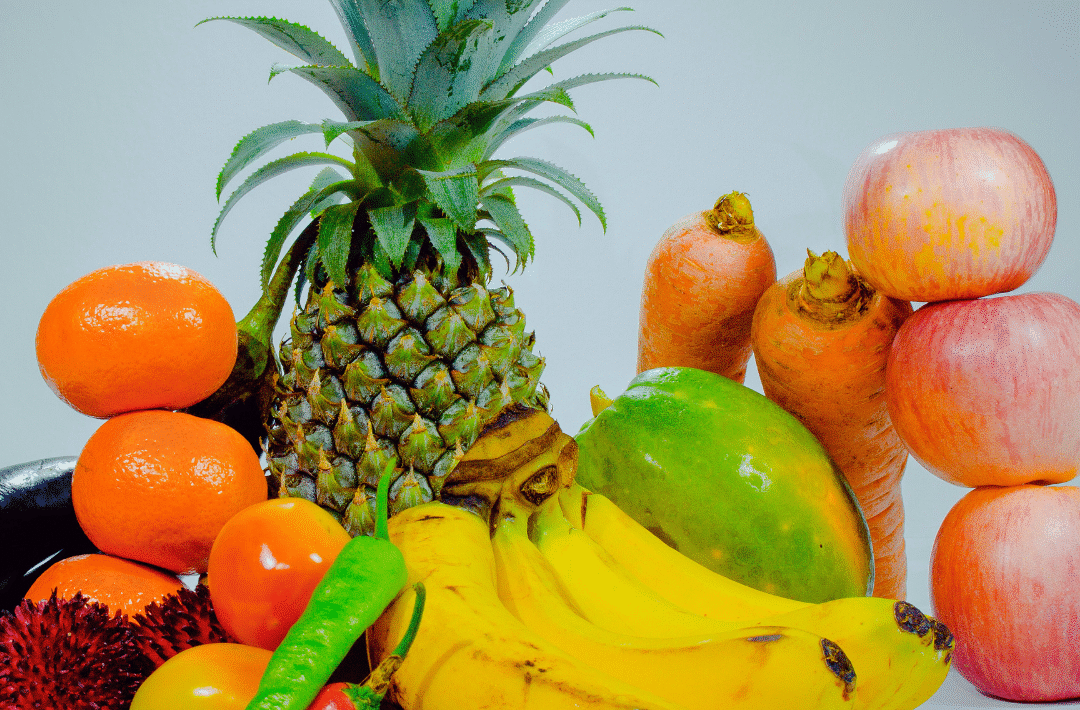
A robust immune system is crucial for overall health, especially during flu season or times of stress. Incorporating certain foods into one’s diet can significantly enhance immune function and provide the body with essential nutrients. Foods rich in vitamins, minerals, and antioxidants play a key role in supporting immune health.
Fruits and vegetables, particularly those high in vitamin C, like citrus fruits and leafy greens, are essential for maintaining immunity. Additionally, whole grains, nuts, and seeds offer important nutrients that help the body fend off illness. The following article will explore a selection of the best foods that contribute to a strong and resilient immune system.
How Nutrition Influences Immune Function
Nutrition plays a crucial role in maintaining a healthy immune system. The components of the diet can directly impact immune response, the effectiveness of vitamins and minerals, and the benefits of fiber and whole grains.
The Link Between Diet and Immune Response
Dietary choices significantly affect immune function. A balanced diet provides essential nutrients that support the body’s defense mechanisms.
Foods rich in antioxidants, such as fruits and vegetables, help combat oxidative stress. Antioxidants can enhance the activity of immune cells.
Incorporating a variety of foods ensures a diverse intake of nutrients. This diversity strengthens the immune system’s capability to respond to pathogens effectively.
Role of Vitamins and Minerals in Immunity
Vitamins and minerals are vital for maintaining proper immune function. Several key nutrients include:
- Vitamin C: Supports the production of white blood cells and acts as an antioxidant.
- Vitamin D: Modulates immune responses and reduces the risk of respiratory infections.
- Zinc: Essential for immune cell development and function.
Deficiencies in these nutrients can impair immune responses. Therefore, individuals should prioritize foods that are high in these essential vitamins and minerals.
Significance of Fiber and Whole Grains
Fiber-rich foods and whole grains contribute to a healthy gut microbiome, which is linked to immune function. A balanced gut flora helps regulate immune responses and inhibits pathogens.
Sources of dietary fiber include fruits, vegetables, legumes, and whole grains. These foods not only promote digestive health but also provide essential vitamins and minerals.
Whole grains, such as oats and brown rice, are particularly beneficial. They contain antioxidants and vitamins that further support immune health. A high-fiber diet encourages the growth of beneficial gut bacteria, enhancing the overall immune response.
Top Foods to Support Your Immune System
A well-balanced diet plays a crucial role in maintaining a strong immune system. Incorporating specific foods can significantly enhance its effectiveness. Key nutrients such as vitamin C, vitamin D, zinc, lean protein, and iron are vital for immune function.
Fruits and Vegetables Rich in Vitamin C
Fruits and vegetables high in vitamin C are essential for immune health. Citrus fruits like oranges, grapefruits, and lemons provide a significant boost due to their high vitamin C content.
Other excellent sources include strawberries, kiwi, bell peppers, and broccoli. These foods contain antioxidants, which can combat oxidative stress and inflammation.
Consuming a variety of these foods daily will help ensure adequate vitamin C intake. It supports the production of white blood cells, which play a critical role in fighting infections.
Sources of Vitamin D and Zinc
Vitamin D and zinc are crucial for a well-functioning immune system. They both play unique roles in immune response and inflammation regulation.
Fatty fish such as salmon, mackerel, and sardines are rich in vitamin D. Other sources include fortified dairy products and egg yolks.
Zinc can be found in foods like oysters, beef, poultry, beans, and nuts. This mineral is vital for the development and function of immune cells.
Incorporating these foods into the diet helps enhance the body’s defense mechanisms against pathogens.
Lean Protein and Iron-Rich Foods
Lean protein sources are important for building and repairing body tissues, including the immune system. Chicken, turkey, and fish provide high-quality protein that promotes immune function.
Iron-rich foods also support the immune system by helping red blood cells transport oxygen. Foods like lentils, chickpeas, spinach, and red meat are excellent sources.
Including both lean protein and iron-rich foods in meals can improve overall health. They contribute to optimal energy levels and effective immune response, helping the body fight off infections more effectively.
Gut Health and Prebiotics for Immunity
Maintaining gut health is crucial for boosting immunity. Prebiotic foods play a vital role in nurturing beneficial gut bacteria, which can enhance the immune response.
Benefits of Prebiotic Foods
Prebiotic foods are non-digestible fibers that support the growth of beneficial gut bacteria. They include items such as:
- Garlic
- Onions
- Asparagus
- Bananas
- Chicory root
These foods improve gut health by nourishing probiotics, which are essential for a balanced microbiome. A diverse microbiome helps regulate immune functions, enhancing the body’s ability to fight infections. Research indicates that diets rich in prebiotics may lead to reduced inflammation and a stronger immune response, making them vital for overall health.
Balancing Gut Health for Better Immunity
Achieving balance in gut health involves incorporating more fiber-rich foods and reducing processed sugars. A healthy gut microbiome can influence the immune system significantly.
Drinking plenty of water is also important to maintain proper digestion and support the growth of beneficial bacteria. Regular consumption of fermented foods, such as yogurt and sauerkraut, can further enrich gut flora.
By focusing on both prebiotics and gut-friendly foods, individuals can support their immune system effectively. A balanced diet fosters an environment where beneficial bacteria flourish, promoting optimal immune function.
Lifestyle Factors That Complement a Healthy Diet
Engaging in certain lifestyle behaviors significantly enhances the effectiveness of a healthy diet in supporting the immune system. Prioritizing sleep, incorporating physical activity, and maintaining an overall healthy lifestyle are key components.
Prioritizing Sleep for Immune Support
Sleep plays a crucial role in maintaining an optimal immune function. Research indicates that individuals who consistently get sufficient sleep are better equipped to fend off illnesses.
Recommendations for Better Sleep:
- Aim for 7-9 hours of quality sleep each night.
- Establish a consistent sleep schedule, going to bed and waking up at the same time daily.
- Create a restful sleeping environment that is dark, quiet, and cool.
During sleep, the body produces proteins called cytokines, essential for combating infections. Chronic sleep deprivation can lead to increased susceptibility to viruses.
Physical Activity During Cold and Flu Season
Regular physical activity is beneficial for the immune system, particularly during cold and flu season. It enhances circulation, promoting the movement of immune cells throughout the body.
Key Points for Incorporating Activity:
- Aim for at least 150 minutes of moderate exercise each week.
- Include a mix of cardiovascular, strength, and flexibility exercises.
- Even short bouts of activity, such as walking or light stretching, can be beneficial.
Exercise can also reduce stress and improve mood, both of which support immune health. It is essential to balance activity with rest, especially during illness.
Maintaining an Overall Healthy Lifestyle
A holistic approach to health reinforces the immune system’s resilience. This includes a balanced diet rich in fruits, vegetables, whole grains, and hydration.
Components of a Healthy Lifestyle:
- Limit alcohol consumption and avoid smoking.
- Manage stress through techniques such as mindfulness and meditation.
- Regular health check-ups to monitor and manage chronic conditions.
Adopting these practices helps create a strong foundation for health. Together, they work synergistically with a nutritious diet to bolster the body’s defenses against illness.
