

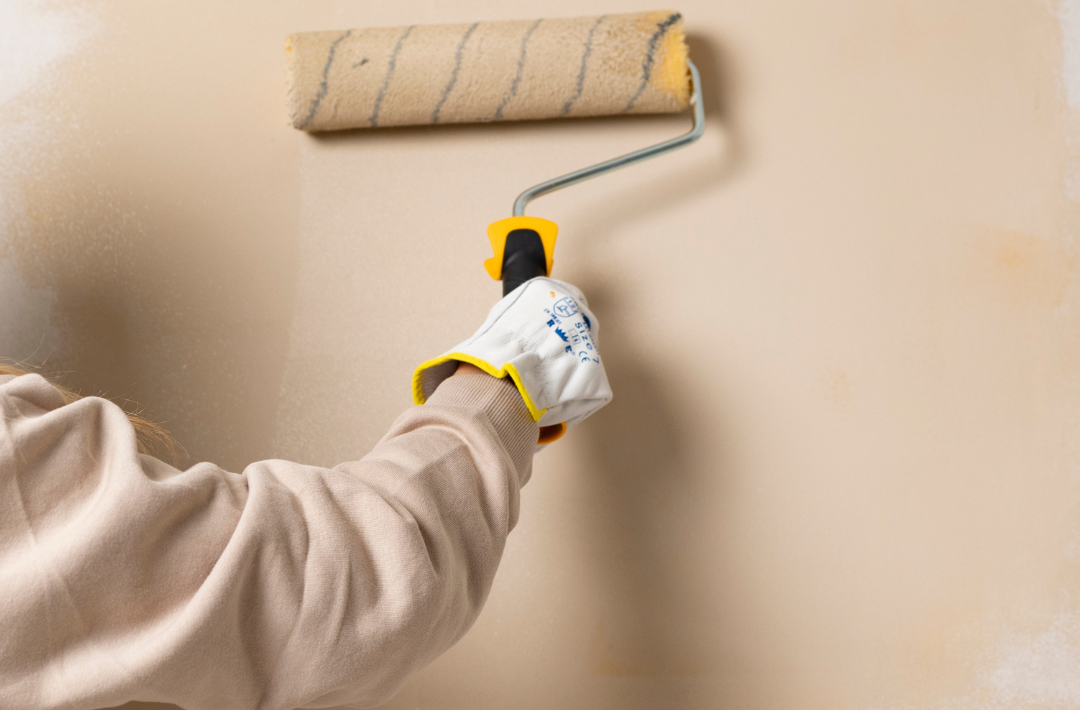
Taking on a large home renovation project can feel overwhelming. Where do you even start? It’s easy to feel buried under the scope of the work ahead, but breaking the process into manageable stages can make a huge difference. Whether you’re refreshing a single room or gutting an entire house, approaching it step-by-step ensures you stay organized, save money, and actually enjoy the process. Ready to dive in? Let’s walk through how to tackle your renovation project in stages, so it’s as stress-free as possible.
Clear the Way: Start with a Dumpster
Renovations almost always generate a mess-old tiles, outdated cabinetry, or even entire walls have to go before the new can come in. That’s why hiring a dumpster is an essential first step. Think about it: how are you going to focus on progress when you’re tripping over piles of debris? Renting a dumpster from Waste Removal USA means you can efficiently clear out old materials and keep your space tidy throughout the project.
Having a dedicated place to toss everything also speeds up the process and ensures you’re not spending unnecessary time driving back and forth to a landfill. Plus, it’s a small investment that keeps the rest of your project on track. Pro tip? Choose the right size dumpster for your needs-too small, and you’ll be stuck waiting for multiple pickups, but too large might be overkill for smaller projects.
Map Out a Realistic Plan
Before you swing a hammer, you need a plan. This doesn’t have to be overwhelming or overly detailed, but having a roadmap helps you avoid costly mistakes. Start by listing out all the work you want done. Then, break it into phases. Maybe you’ll tackle the kitchen first, followed by the bathroom, and save landscaping for last.
What’s the priority? Ask yourself which areas of your home need attention right away and which ones can wait. Planning out the stages ensures that your budget is allocated wisely, so you don’t run out of funds halfway through. Also, make sure to account for permits and inspections if your renovations involve significant structural changes.
Think about the common areas where homeowners often start. Kitchens and bathrooms tend to top the list due to their impact on daily living and home value. Outdated electrical systems, leaky roofs, and inefficient HVAC units should also be high on the priority list. For instance, ensuring your cooling system is in good shape before summer hits can prevent uncomfortable delays – consulting a local expert like a Pawleys Island SC air conditioning service can help you evaluate whether a repair or upgrade is needed. By mapping out these essentials early, you’ll stay ahead of surprise expenses and ensure each phase is executed smoothly.
Budget Wisely, Down to the Details
Let’s be honest-renovations can be pricey. That’s why it’s crucial to set a budget before you get too far into things. But it’s not just about throwing out a big number; you’ll want to get detailed. Include costs for materials, labor, tools, permits, and even those surprise expenses that seem to pop up no matter how prepared you are.
Once you’ve set your budget, stick to it. Sure, that high-end marble might be calling your name, but if it doesn’t fit into your plan, you’ll thank yourself later for saying no. Want to stay even more on track? Keep a running list of expenses so you can see exactly where your money is going.
Start Small: One Room at a Time
Tackling an entire house at once is a recipe for burnout. Instead, focus on one room or area at a time. This approach helps you see progress more quickly, which is a big morale booster. Start with the spaces you use most or those that are in the worst condition-maybe it’s the kitchen, where you spend hours every day, or the bathroom that desperately needs updating.
As you move from one room to the next, it’s worth thinking about how custom details can bring a sense of cohesion and personality to your space. For example, in the kitchen, somewhere like this custom cabinets san antonio company can dramatically elevate the look and feel of the space – offering a tailored, high-end finish that ties the whole room together. Bedrooms and living areas also benefit from design-forward choices like coordinated wood tones, sleek built-ins, or custom trim work that gives each space a polished, considered look. These finishing touches help create a home that doesn’t just function well, but feels beautifully put together.
Completing one room before moving to the next also means you’ll still have functioning parts of your home while renovations are underway. Plus, you can learn from any hiccups in the first stage and apply those lessons to future rooms.
Don’t Skip Prep Work
Prepping your space properly might not be the most glamorous part of renovating, but it’s a step you can’t afford to ignore. Think of it as laying the groundwork for a smooth project. This could include stripping wallpaper, sanding surfaces, or sealing off areas to prevent dust from traveling through the house. Skipping these steps might save time upfront, but it usually leads to headaches later.
Invest in the right tools, too. Whether it’s a sturdy ladder, a power drill, or protective gear, having the right equipment can make your prep work faster and safer.
Know When to Call in the Pros
DIY can be fun and budget-friendly, but some tasks are best left to the experts. Electrical work, plumbing, and structural changes are areas where professional help is often worth the cost. Attempting these on your own can not only be dangerous but could also end up costing more if you have to fix mistakes. As such, when faced with a leaky faucet or clogged drains that’s beyond your control, reach out to a Duncanville TX plumber (or the ones nearby), just as faulty wiring and flickering lights could require the expertise of an electrician.
Hiring professionals doesn’t mean you’re not hands-on. You’re still in control-just let the pros handle the complex stuff while you focus on areas where you can DIY with confidence, like painting or assembling furniture.
Take Breaks and Celebrate Wins
Renovations can be exhausting, and it’s easy to lose sight of how far you’ve come. Make sure to take breaks when you need them, and celebrate the small victories along the way. Did you finish demoing the kitchen? Pat yourself on the back. Completed painting the living room? That’s worth a celebration.
Acknowledging these milestones keeps you motivated and makes the entire process feel more rewarding. Remember, you’re not just working on a house-you’re creating a home.
Think Long-Term
It’s tempting to focus on what looks good right now, but don’t forget to think about the future. Are you renovating for resale? If so, prioritize updates that add value, like modern kitchens or energy-efficient windows. Staying in your home for the long haul? Make design choices that you’ll love for years to come.
It is also important to focus on the foundational aspects of your home, like the electrical wiring, wall colouring, and the flooring. Consider consulting with electricians to troubleshoot any issues in the house electrical wiring. Meanwhile, the aesthetic of the house is closely related to the harmony of the colors and texture of the wall colours, flooring, and carpeting of the rooms. Painting the walls can be a fun DIY-project that every member of the family can participate in. On the other hand, experts from companies like havertown carpet co can take care of the flooring and carpeting needs since they tend to have a wide variety of choices of carpet designs or other flooring materials like wood and laminates.
Also, keep maintenance in mind. Choose materials and finishes that are durable and easy to care for. A bit of extra thought now can save you a lot of hassle down the road.
Your Dream Home, One Step at a Time
Renovating a home is no small task, but when you take it one stage at a time, it becomes manageable-and even enjoyable. From clearing out old debris with a rented dumpster to celebrating the transformation of your first finished room, every step gets you closer to the home you’ve been dreaming of. So, are you ready to roll up your sleeves and get started? Take it slow, plan it well, and enjoy watching your vision come to life. After all, this is your space-make it one you’ll love for years to come.
