

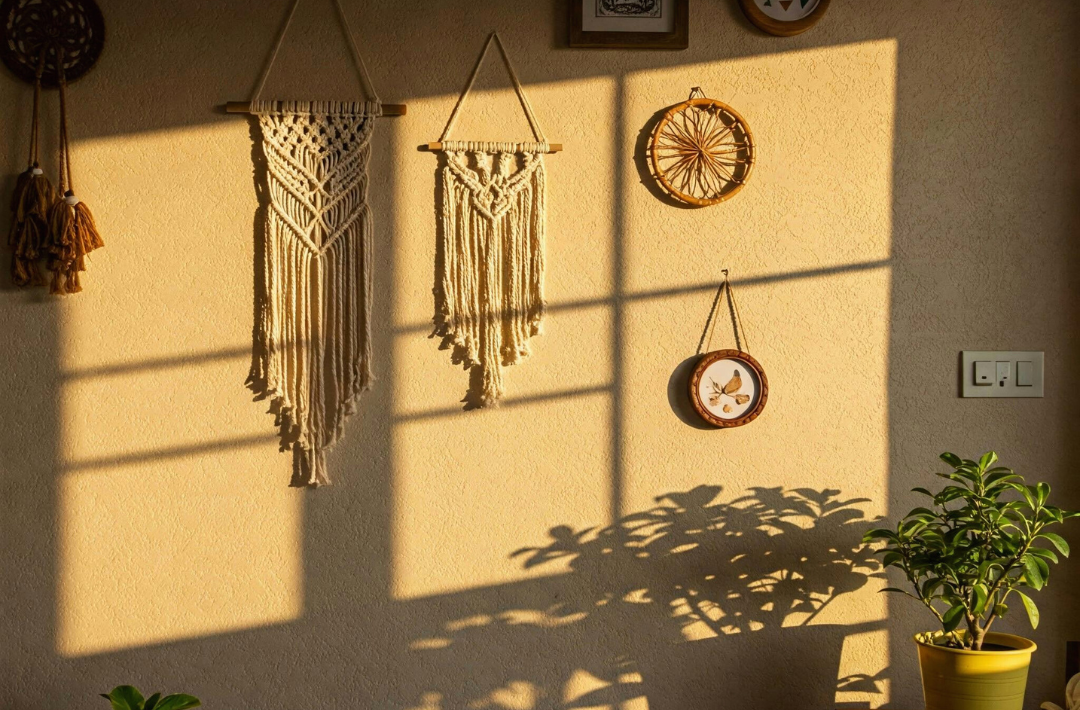
Refreshing a room doesn’t require a complete overhaul or a large budget. Simple DIY upgrades like changing lighting, adding new textiles, or rearranging furniture can transform a space quickly and effectively. Small, intentional changes can create a noticeable impact without professional help.
Many people overlook the power of easy updates such as painting an accent wall, introducing plants, or swapping out hardware on cabinets and doors. These improvements take minimal time but can refresh the look and feel of a room dramatically.
By focusing on practical, manageable projects, anyone can update their space in ways that reflect personal style and improve comfort. This approach makes room refreshes accessible and satisfying for all skill levels.
Quick DIY Decor Swaps for Instant Room Refresh
Small, deliberate changes can significantly alter a room’s feel. Adjusting furniture placement, swapping soft furnishings, and showcasing personal items can quickly update the space without major effort or cost.
Rearranging Furniture for a New Layout
Shifting key furniture pieces creates a fresh perspective. Moving a sofa away from the wall or swapping positions between chairs and tables can improve flow and balance.
Focus on opening pathways and maximizing natural light. For example, positioning seating to face a window enhances the room’s ambiance and encourages use of the space.
Avoid overcrowding by keeping ample space between items. Using an area rug to anchor the new arrangement helps define zones clearly, especially in open-plan rooms.
Layering and Changing Throw Pillows
Switching out throw pillows offers a fast, visual upgrade. Mixing textures, patterns, and solids creates depth on sofas or beds.
Use a combination of sizes to add interest: pairing large pillows with smaller, accent cushions can elevate plain furniture. Neutral pillows with a pop of color or pattern work well for subtle changes.
Rotate pillows seasonally or to complement other decor updates. This method is low-cost and requires minimal effort but yields noticeable results in mood and style.
Adding a Throw Blanket for Texture
A throw blanket instantly adds both texture and warmth. Draping it over a chair, sofa arm, or foot of the bed introduces softness and dimension.
Select materials like chunky knits, soft wool, or breathable linen, depending on the season and room style. Coordinating colors with throw pillows ties the look together.
Using a throw also invites comfort and personalization, making the room feel more lived-in and inviting without permanent changes.
Displaying Personal Art and Family Photos
Incorporating framed family photos or personal artwork brings character and meaning to a room. Grouping several pieces on a wall makes a focal gallery.
Use matching frames or a unified color scheme to keep the display cohesive. Position photos at eye level for best impact.
This approach personalizes the space effortlessly, reflecting individual taste while adding warmth and visual intrigue.
Simple DIY Wall and Surface Upgrades
Small changes to walls and fixtures can instantly refresh a room’s appearance. Focusing on manageable projects like wallpaper, accent walls, and hardware updates saves time while achieving visible improvements.
Applying Peel-and-Stick Wallpaper
Peel-and-stick wallpaper is ideal for renters and those seeking a quick transformation without mess. It requires a clean, smooth surface for proper adhesion. Users should measure the wall accurately before cutting to avoid waste.
The application involves peeling off the backing slowly while pressing it onto the wall from top to bottom. Using a smoothing tool helps prevent air bubbles. It can be removed easily if needed, making it a flexible design choice.
This wallpaper type comes in various patterns and textures, allowing personalized style. It works well on feature walls or small areas like backsplashes and shelving units.
Creating an Accent Wall
An accent wall adds visual interest through contrasting color or texture. The chosen wall should be a focal point, often the one behind a bed or sofa. Preparation includes cleaning and lightly sanding the surface for better paint or wallpaper adherence.
Painting an accent wall requires high-quality paint and possibly a primer if the color change is drastic. Consistent brush or roller strokes ensure an even finish. Alternatively, installing wood panels or textured wallpaper can create depth and character.
Keep other walls neutral to avoid visual clutter. This technique enhances room dimensions and style without a full repaint.
Updating Switch Plates and Door Handles
Replacing switch plates and door handles is a low-cost way to modernize a room. Switch plates come in plastic, metal, and decorative styles. They can be switched out by removing screws and snapping on new covers.
Door handles are often overlooked, but they affect the overall decor tone. Swapping old handles for modern finishes like brushed nickel or matte black updates the feel instantly. Proper measurement of backsets and door thickness ensures a correct fit.
These small hardware upgrades require basic tools and minimal time, making them practical choices for a DIY refresh.
Enhancing Light and Ambience
Proper lighting can redefine a room’s feel and functionality. Using materials and placement strategically can improve natural light and create inviting, well-lit spaces without major renovations.
Maximizing Natural Light with Sheer Curtains
Sheer curtains allow sunlight to filter softly into a room while maintaining privacy. They diffuse harsh direct light, reducing glare and spreading illumination evenly across the space.
Choosing lightweight fabrics in neutral tones enhances brightness without blocking windows. It is important to hang curtains close to the ceiling and let them extend beyond the window frame to create a larger appearance and maximize light entry.
Regular washing keeps sheer curtains looking fresh and transparent. Pairing them with heavier drapes can add flexibility, allowing the room’s light level to be adjusted throughout the day.
Choosing and Placing Light Fixtures
Selecting the right light fixtures involves balancing style, function, and light distribution. Ceiling-mounted fixtures or recessed lights work well for general illumination.
Task lighting, such as pendant lights over work areas, ensures focused light where needed. Wall sconces add layered lighting without occupying floor space.
Placement is critical; aim to eliminate shadows in frequently used zones and highlight room features. Dimmers on fixtures allow control over light intensity, adapting the ambience to different activities.
Adding a Floor Lamp for Warmth
Floor lamps add both brightness and warmth to a corner or under-lit area. They are flexible options since they can be moved and positioned as needed.
Choosing a lamp with a soft white or warm LED bulb encourages a cozy atmosphere. Styles with adjustable arms or multiple bulbs offer versatility for reading or accent lighting.
Placing the lamp near seating areas or dark corners enhances comfort and balances the room’s overall lighting scheme. They also contribute to decor as statement pieces without permanent installation.
Organizing with Style and Adding Greenery
A room can feel more inviting by combining effective organization with natural elements. Thoughtful placement of shelves, baskets, trays, and plants adds both function and visual appeal to the space.
Incorporating Floating Shelves for Display
Floating shelves maximize wall space without bulky furniture. They provide spots for books, collectibles, or framed photos.
Position them at eye level for easier access and to create a balanced look. Materials like wood or metal can match the room’s style while keeping the display sleek.
Using staggered heights or varying shelf lengths adds interest. Floating shelves keep items off surfaces, helping the room stay clutter-free.
Using Decorative Trays and Woven Baskets
Decorative trays group small items like candles, remotes, or keys neatly. They bring cohesion to tabletops while simplifying cleanup.
Woven baskets offer natural texture and hide clutter in plain sight. They work well for storing magazines, blankets, or kids’ toys.
Choosing baskets in neutral tones fits most colors and styles. Both trays and baskets contribute to an organized room that feels warm and intentional.
Implementing Stylish Storage Solutions
Stylish storage blends utility with design. Multi-functional furniture, like ottomans with storage or attractive shelving units, optimizes space.
Look for pieces with clean lines and neutral colors to maintain a calm atmosphere. Labelled bins or containers inside storage keep smaller items easy to find.
Incorporate decorative storage boxes that double as accents. These solutions prevent messes from becoming eyesores and improve room flow.
Bringing Houseplants In for Freshness
Houseplants improve air quality and add life to any room. Easy-care options like pothos or snake plants suit beginners and low-light areas.
Place plants on shelves, tables, or in corners to fill empty spaces without overcrowding. Use decorative pots that complement the room’s design for extra style.
Regular watering and occasional dusting keep plants healthy and attractive. Greenery creates a relaxed, natural ambiance while softening sharp edges.
